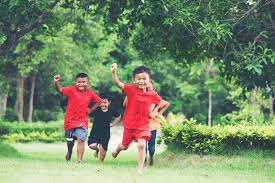
Sports education at school has a crucial role in forming a healthy lifestyle in children early on. However, the implementation of sports learning in school is often faced with many challenges that impede its goals. This article will review some of the main challenges faced in school sports learning, as well as the implications for child health and development.
Main Challenge in Sports Learning
- Allocation Time Lack:
- School hours are limited: The allocation of time for sports lessons often loses priority over academic subjects.
- Solid task load: Students often have a lot of school tasks that take up their free time to exercise.
- Lack of Facility and Tools:
- Limited sports field: Many schools, especially in dense urban areas, lack adequate sports fields.
- Inadequate sporting equipment: Budget limitations often lead to a lack of viable sports equipment.
- Lack of qualified Sports Teachers:
- The limited number of gym teachers: Some schools lack qualified gym teachers.
- Lack of sustainable training: Sports teachers often lack training to develop their competence.
- Student Motivation Lack:
- Negative perception of sports: Some students consider sports a boring or unnecessary activity.
- Physical comparison: Physical differences between students can cause minders and reduce motivation to participate.
- Lack of Parent Support:
- Different priorities: Parents often prioritize child academic achievement over physical activity.
- Lack of understanding about the importance of sports: Some parents haven't fully realized the benefits of child health.
The impact of this so-called Challenge
- Low levels of physical fitness: Lack of physical activity can cause obesity, heart disease, and other health problems in children.
- Inhibitory motor development: Sports are essential to developing rude and subtle motor skills of children.
- High stress and anxiety: Physical activity can help reduce stress and anxiety in children.
- The academic achievement is dropping: Studies show that enough physical activity can increase concentration and academic performance.
Solutions and Upgrade Attempts
- Increasing awareness of the importance of sports: Through campaigning and socializing, both in school and in society, can raise awareness for the importance of a child's health.
- Increase time allocation for sports learning: The school needs to allocate enough time for sports learning and make sure that sports activities are carried out consistently.
- Increase facility quality and sports equipment: The government and the school need to work together to provide adequate sports and facilities.
- Increase the quality of the gym teacher: Through professional training and development programs, the quality of gym teachers can be improved.
- Makes sports learning more interesting: The gym teacher needs to develop creative and fun learning programs to interest students.
- Involving parents in the school sports program: Parents need to be involved in the school sports program to provide support and motivation for children.
Source: National Education Department. A curriculum for primary school. Jakarta: