Sports education has an important role in forming a healthy, active, disciplined young generation. However, sports education implements in different countries have different characteristics. This article will discuss the comparison of sports education in several countries, identifying the challenges facing, as well as the opportunities that can be developed.
Approach Divergence
- United States: Pressing on competition and individualism. Sports are often used as a means to a college scholarship.
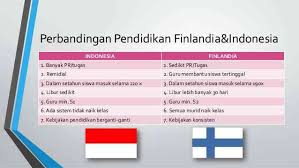
- Finnish: Prioritize the active pleasure and participation of all students. Sports is seen as an integral part of a child's holistic development.
- Japanese: It has a strong and structured sports tradition. Discipline and teamwork are very emphasized.
- Indonesia: Sports education curriculum is still growing. The main challenge is a limited facility and a quality lack of teaching power.
General Challenge
- Lack of allocation time: Many schools reduce gym school hours by pressure to reach academic targets.
- Limited facilities: Inadequate sports field, obsolete equipment, and an unfit dressing room is a huge obstacle.
- Lack of quality teaching power: Most of the time, sports teachers don't have a proper education or lack of motivation to develop interesting sports programs.
- Community perception: There's still an assumption that sports are only important to talented students or to professional athletes.
Opportunity for Repair
- Technology integration: Use of applications and smart tools can make sports learning more interactive and exciting.
- Cross-sector cooperation: Government involvement, schools, communities and sports industries can improve the quality of sports education.
- innovative curriculum development: The sports curriculum needs to be adjusted to the interest and needs of the students, as well as combining physical, cognitive and social aspects.
- Enhancement of teaching quality: Through continuing professional training and development, sports teachers can increase their competence and creativity.
Conclusion
Sports education has great potential to form a more healthy and qualified young generation. However, to achieve that goal, it is necessary for a shared effort from various parties. By overcoming the challenges and exploiting open opportunity, sports education can be an important pillar of building a better future.
Source: SYSTEM FREEDOM AND OLAHRAGA: https: / / core.ac.uk / download / pdf / 18861182pdf