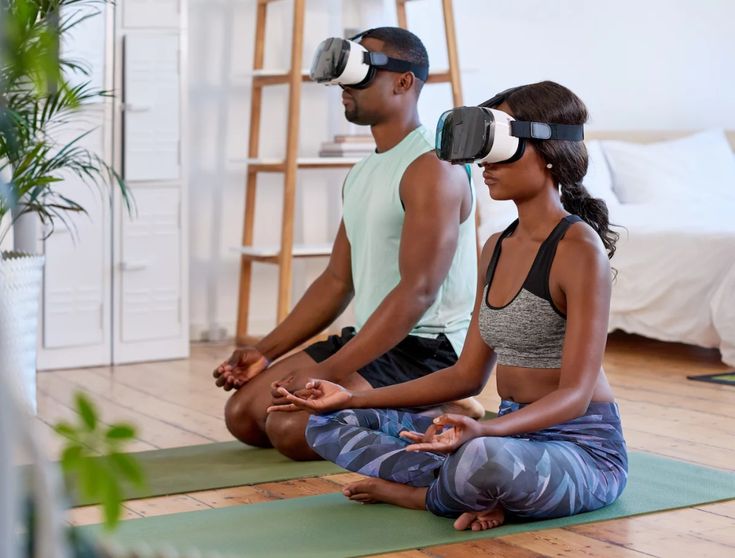
In the current digital age, the Virtual Reality technology is increasingly used in different areas, including education. The use of VR in learning offers interactive experiences that can improve student motor skills. Through realistic simulations, students can practice in a safe and controlled environment, allowing them to hone physical and mental skills without risk of injury. Studies show that an impressive learning experience can increase the retension of information and practical skills.
Besides, the VR also allows students to practice in a scenario that's difficult to achieve in the real world. For example, students in medical majors can use VR to practice surgical procedures, while students in sports can practice certain techniques without needing physical facilities. Studies by Micropoulos and Natsis (2011) reveal that the high interaction in the VR environment helps speed learning and improve student confidence in implementing new skills. It shows that VR is not only a tool, but an effective teaching method.
As VR technology grows, it's important for educational institutions to consider integration of this device in their curriculum. Adopting VR not only provides more interesting learning experience, but also preparing students for the challenges in the increasingly complex working world. Through VR, students can increase their motor skills in innovative and effective ways, making them more competitive in the work market. A study by Dede (2009) also emphasizes that VR use in education can change the way students study and adapt to various situations.
Source: Merchant, Z., Goetz, E. T., Cifuentes, L., KeeneyEffectiveness of Virtual Reality Technology in Health Protests Education: A Systematic Review. Journal of Medical Education and Curricular Development, 1, 1-10.