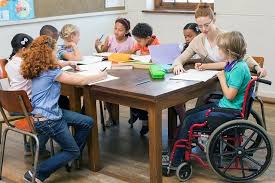
Inclusive sports education is a concept where children with and without the capacity to study and play together in one class. This concept recognizes that every child has unique potential and abilities, regardless of his physical or mental state.
Why would Inclusive Sports Education?
- Equality: Every child deserves the same opportunity to get physical and develop motor skills.
- Socialization: Interactions with peers from different backgrounds can increase child social and emotional abilities.
- Cognitive Development: Adjusted physical activity can stimulate brain development and improve learning skills.
- Confidence: Feeling accepted and appreciated in an exclusive environment can increase child confidence.
Challenge and Solutions in Implementation
Although there are many benefits, an exclusive sports education implementation faces some challenges, such as:
- Lack of teacher knowledge: Not all teachers have enough knowledge of how to teach a child with stability.
- Lack of facilities: The means and infrastructure of sports often do not accommodate the needs of children with the capacity.
- Community attitude: There's still a negative stigma to the child with a capacity that can impede the incubation.
To overcome that challenge, some solutions can be done among other people:
- Teachers training: Teachers need to be given special training on how to teach kids with stability, including modification of activity and use of tools.
- Clinical adjustment: Sports education curriculum needs to be adjusted to accommodate the needs and skills of every child.
- An expert collaboration: Involve physical and occupational therapists to provide input on how to adjust physical activity.
- Socialization to society: Through various activities, society needs to be given a better understanding of the illusion and the importance of giving support to children with stability.
Inclusive Sports Activity Example
- Simple game: Games like big balls, leaps, and relay can be modified to be followed by all children.
- Water sports: Swimming is a very good activity for a child with stability because it can reduce the load on the joints.
- Music-based sports: Music can be an effective tool to motivate children and help them move.
Conclusion
Inconclusive sports education is an important step towards creating a more fair and inclusive learning environment for all children. With the support of all parties, we can make sure that every child has a chance to grow and evolve optimistically through physical activity.
Source: Ministry of Education and Culture: [Enter link to policy or program related to inclusive education in Indonesia]