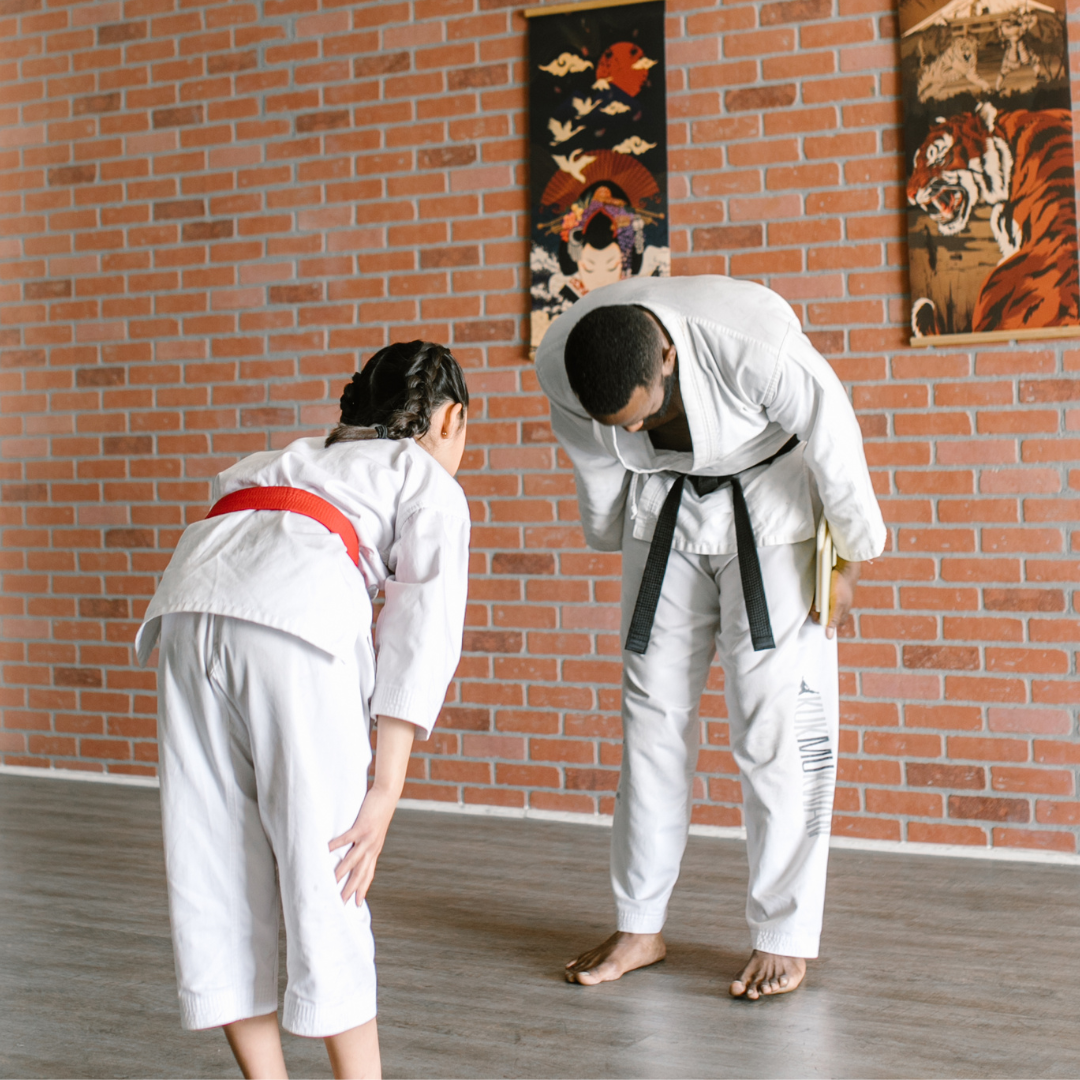
Sports and martial arts are two fields that not only precede physical fitness, but also develop mental and character. Among students, martial arts became popular choices because not only gave self-defense skills, but also taught important values in life. This article will discuss skills obtained from martial arts and its underlying philosophy.
Skills in Martial Arts
- Self Defense: One of the major benefits of martial arts is the ability to protect yourself. These skills are very relevant to students who may face dangerous situations. Through training, they learned techniques to overcome physical attacks and defend themselves in critical situations.
- The power and fitness of physics: Martial arts involves various physical movements that increase strength, flexibility and endurance. Routine training helps students maintain physical fitness, which is very important in facing academic and stress demands. According to research by Barlow et al, regular martial arts exercises can increase cardiovascular fitness and muscle.
- Social skills: Practicing martial arts also strengthens social skills, such as cooperation, discipline, and sportsmanship. Students learn to respect colleagues and coaches, who strengthen social bonds and create supportive communities.
- Mental skills: In addition to physical aspects, martial arts train mental endurance. Practice learn to stay calm under pressure, increase concentration, and manage emotion. It's very beneficial for students to face exams and academic challenges.
Philosophy Behind Martial Arts
Martial arts is not just about fighting techniques; there's a deep philosophy that underscores it:
- Discipline and Control: Many martial arts teach the importance of discipline. A consistent exercise and mastery of engineering takes time and dedication. Students who practice martial arts learn to control themselves and don't give up on ease, which can be applied in many aspects of life.
- Respect yourself and others: The philosophy of martial arts often emphasizes respect—Neither against yourself nor anyone else. This includes awards for coaches, coaches, and opponents. This value is very important in building a healthy relationship in a college environment.
- Knowledge Search: Many martial arts teach that learning never stops. Practice is encouraged to continue to learn and develop their skills. This mentality is very relevant to students in dynamic academic environments.
- Mind and Body balance: Martial arts often combines physical and mental aspects. Through meditation and breathing exercise, practitioners learn to reach a balance between the mind and the body, which is very important in managing stress.
Conclusion
Martial arts offers more than fighting skills; it teaches the essential values that can form student character. By combining physical and mental skills, and their underlying deep philosophy, martial arts can be an effective tool in improving the quality of student life. For those who find ways to improve physical fitness, learn self-defense, or simply find supportive communities, martial arts can be the right choice.
Source: "The Impact of Martial Arts Training on Physically Fitness and Mental Health." Journal of Sports Science & Medicine.