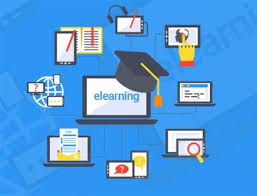
The development of digital technology has significantly altered the landscape of education. One of the areas that are affected is sports education. E-learning offers an interesting new approach to sports learning, giving flexibility, accessibility, and learning experiences that are more interactive. This article will discuss the implementation of e-learning in sports education, the challenges faced, as well as open opportunities in the future.
Shape
Traditional sports education is often limited to classrooms and sports fields. However, with the presence of e-learning, sports learning can now be done anywhere and anytime. E-learning allows students to access learning materials, interact with teachers and their peers online, and do physical training with virtual guidance.
Implementation E-learning in Sports Education
- Interactive Learning Matter: E-learning allows delivery of sports learning through media like videos, animations and simulations. It makes matter more interesting and understandable by the students.
- Virtual training: Students can do physical training by following the virtual instructor through video or application. This exercise can be adjusted to the level of ability and needs of each student.
- Personalized feedback: E-learning allows teachers to provide more personal feedback to each student. Students can record and analyze their own movements to get repairs.
- Online Study Community: E-learning creates an online learning community where students can interact, share experiences, and motivate each other.
Challenge in Implementation E-learning
- Technology Accessibility: Not all students have the same access to adequate Internet devices and connections.
- Motivation: Making sure that students remain motivated to exercise independently without direct supervision from teachers is a challenge of their own.
- Interactions Quality: The social interaction that happens in traditional sports classes is difficult to fully replace online interactions.
- Security and Privation: The use of student personal data on the e-learning platform needs to be noticed to maintain their security and privacy.
Opportunity in the Future
- Personalization Learning: E-learning allows more personal sports learning, adjusted to the interests and needs of each student.
- Development of 21st century skills: E-learning can help students develop 21st century skills such as creativity, collaboration and problem solving.
- More extensive accessibility: E-learning can open the access to sports education for students who have physical or geographic limitations.
Conclusion
E-learning offers great potential in changing sports education. By overcoming the challenges and exploiting open opportunities, e-learning can be an effective tool to improve the quality of sports learning and encourage students to live more active and healthy lives.
Source: Noviyanov, N. (2021). Learning PJOK Studies in Pandemic. Compatiana. https: / / www.compatian.com / noviyanov _ 3459 / 60f103a6152577777c709c7a3 / study -pjak